Nov 04 2026 · 4 minute read
Tampa Water Damage Restoration for Historic Bungalows
- Summer Storms and Older Tampa Bungalows
- Roofs, Flashing, and Window Frames
- Galvanized Lines and Cast Iron Drains
- Wood Floors Over Humid Air
- Ventilation After the Downpour
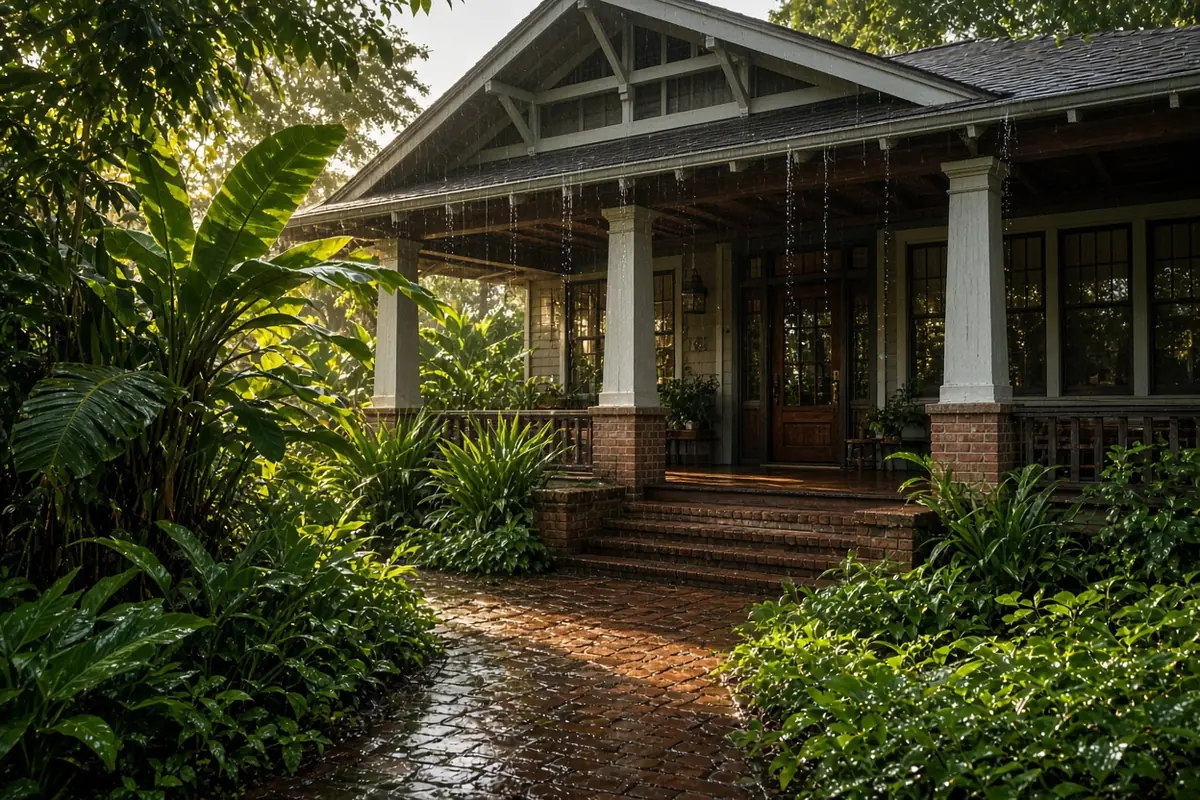
Summer Storms and Older Tampa Bungalows
Seminole Heights and Hyde Park hold many early bungalows, with deep porches, wood floors, and window frames shaped by decades of Gulf humidity. Many of these houses sit on piers, so a crawl space lies under the living floor. Through the warm months, mornings on the Florida peninsula heat up and clouds build by midafternoon. Storms drop heavy rain in a short burst, then move on, leaving wet roofs, full gutters, and damp air into the evening.
One cloudburst seldom harms a sound house. Repeated soaking is another matter. Rain works into gaps at aging roofs, tired flashing, and frames that no longer sit square. Indoors, older supply lines and drains can weep long before a pipe lets go. Homeowners who catch the early signs can stop a slow leak before it reaches plaster, subfloor, or joists.
Roofs, Flashing, and Window Frames
These roofs have already served a long life. Asphalt shingles curl and shed granules. Tile and metal last longer, yet flashing wears on its own schedule. The metal at chimneys, valleys, vents, and dormers is a frequent weak point. Once sealant cracks or an edge lifts, rain runs under the covering instead of off it.
After a hard afternoon storm, owners can read a few clues without leaving the ground:
- Stains on a ceiling or wall that darken in the rain and lighten as they dry.
- Granules in the gutters or along splash blocks.
- Rusty or lifted flashing at chimneys and roof edges.
- Peeling paint on fascia boards and porch ceilings.
Wood frames swell when the air is humid and shrink when it dries. That movement opens thin gaps at the sill and the meeting rails. Rain driven by storm winds can pass those gaps even when the glass looks fine. Failed glazing putty, or a sill that stays dark after sunshine returns, deserves attention. Intact exterior paint, clear sill tracks, and sound glazing are realistic owner tasks. Soft wood, or plaster that has gotten wet inside, calls for a carpenter familiar with historic trim.
Gutters on Shallow Eaves
Bungalow eaves are often shallow. Gutters filled with oak leaves, Spanish moss, or shingle grit spill water onto siding and soil. On a raised house that splash wets skirt boards and the ground beside piers. Cleaning before the summer pattern sets in, and again after heavy leaf drop, keeps more rain in the downspouts. The National Trust for Historic Preservation also lists simple upkeep projects for historic homes, including keeping gutters and downspouts clear so water stays off the walls and foundation.
Galvanized Lines and Cast Iron Drains
Older bungalows were commonly fitted with galvanized steel supply pipe and cast iron drains, and some of those lines remain in service. Galvanized pipe corrodes from the inside. The passage narrows, pressure drops at a fixture, and pinholes appear on horizontal runs. Cast iron may look solid while the wall thins and splits at joints. A seep under a sink might never flood a room, yet it can keep a cabinet, a subfloor, or a joist damp for weeks.
During ordinary use, residents can watch for these signs:
- Rust tinted water that clears after the tap runs, most noticeably on a line that sat overnight.
- Weak pressure at one fixture while others stay steady.
- Damp rings inside a cabinet, or a musty smell behind a shut door.
- Flaking or stains on exposed cast iron, especially at hubs and cleanouts.
Turn supply stops at toilets and sinks about once a year so they still close when needed. A drip at a stop is simpler to catch than a valve that fails mid repair. Several pinholes, or cast iron that sags and cracks, point toward replacement rather than another patch. A repair on thin pipe often shifts the leak to the next weak spot.
Wood Floors Over Humid Air
Open crawl spaces suited wood houses in a hot climate because air could move beneath the floor. The same opening collects humid air after a storm. A roof leak, a plumbing weep, or splash from a clogged gutter adds liquid water, and joists can stay wet long after the rain stops. Where materials remain damp in warm air, mold can grow. Darkened wood and a sour smell are the usual warnings.
Leave foundation vents clear unless a qualified contractor has set a different plan for that house. Aim downspouts away from piers, and keep storage off the skirt. Several times each summer, a flashlight can show dark joists, standing water, fallen insulation, or a wet pipe. A sharp musty smell, stronger after rain, means another look.
Catching a Slow Leak
Slow leaks show themselves in small ways. Paint bubbles on an exterior wall. A ceiling mark grows a faint ring. Floorboards cup beside a bathroom. A heater pan holds a thin sheet of water. The house meter can add a clue: when every fixture is off and any irrigation is idle, a moving dial means water is escaping somewhere in the system. Those clues tell residents to trace upward to the roof or backward along the pipe.
Ventilation After the Downpour
Bath and kitchen fans should exhaust outdoors, not into the attic. Air conditioning removes moisture while it cools, if it runs long enough and the filter stays clean. Closing windows at the first rain keeps wind blown water outside. Soffit vents need to stay open, and insulation should not cover them.
When Professionals Should Dry the House
Owners can clear a gutter, seal a sill, and tighten a fitting. Standing water, wet insulation, sagging plaster, and soaked joists call for controlled drying. A box fan does not pull moisture out of wood and plaster. Humid summer air slows drying in closets and under floors. When a stain returns with each storm, or a musty odor stays, specialists should meter the materials and dry them. Residents can find that help through waterdamagerestorationtampafl.org, then add a roofer or plumber so the source is fixed first.